Reverse Logistics, Orderly: A UK Retailer’s Triage Playbook for Returns

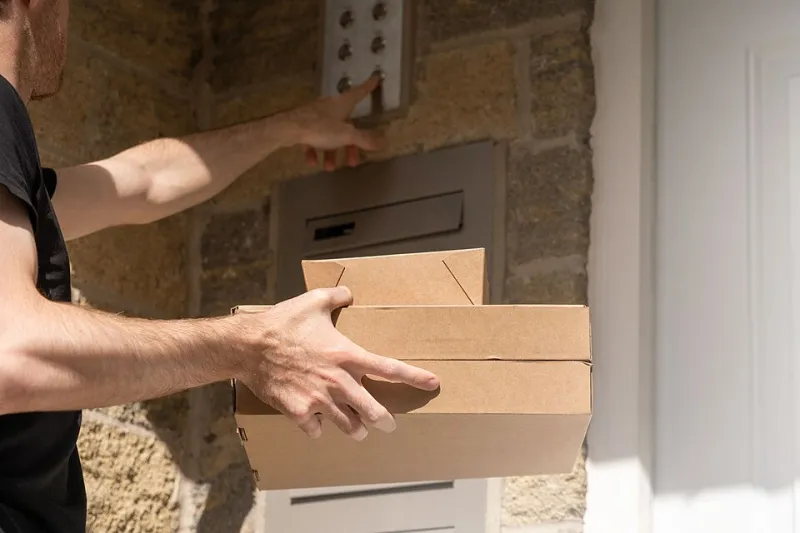
Photo: UK parcel returns drop off point retail counter, via c8.alamy.com
Returns are often discussed as a customer-service issue, but for small UK retailers they are an operational process with a direct effect on margin. A return that is handled ad hoc can cost more in labour, postage and lost resale value than the original sale contributed. The remedy is not to discourage returns, but to triage them.
A triage system gives every return a route: receive, inspect, decide and communicate. The following framework is designed for resource-light SMEs that need control without building a large reverse-logistics department.
1. Publish one clear UK returns policy
Start with a policy that customers can understand before they buy. For distance sales to UK consumers, the Consumer Contracts Regulations 2013 generally provide a 14-day cancellation right, subject to exclusions. Your voluntary returns window can be more generous, but it should be stated plainly. Cover condition requirements, exclusions, who pays return postage and how long refunds take.
Link the policy at checkout and in the despatch email. Ambiguity creates contact and disputes. If you are unsure how the rules apply to your products, take advice from a business adviser or trading standards service rather than relying on copied policy text.
2. Choose return labels that match your operation
A return label is not just a piece of paper; it is a routing decision. Prepaid labels improve the customer experience but add cost. Printerless QR codes reduce friction for customers who do not own a printer. Courier drop-off networks, Post Office branches and parcel lockers can be practical for small items. Home collection may be necessary for bulky or high-value goods.
For a resource-light SME, limit the options. Two clear routes are usually better than six confusing ones. If you use a returns portal, ensure it captures a reason code and generates the correct label. If you use manual labels, keep a log so that returned parcels can be matched to orders quickly.
3. Set collection options by product and value
Not every return needs the same service. Low-value items can often use a standard tracked drop-off service. High-value items should use a tracked and signature service, with clear instructions on packaging. Bulky items may justify a collection because the customer cannot reasonably transport them. Fragile items need guidance to prevent further damage in transit.
This tiering protects margin and reduces the risk of a returned item arriving damaged or going missing. It also makes the promise easier to explain: ‘Please use the QR code provided for drop-off at a participating parcel shop’ is clearer than a list of every possible courier option.
4. Create an inspection triage bench
When a return arrives, it should not sit in a corner. Set up a simple bench with a scanner or order lookup, a camera, cleaning materials, labelling supplies and separate bins for restock, resale, repair, recycle and supplier return.
Inspect within a stated service level, such as two working days. Record the order number, the reason code, the condition grade and photographs where relevant. Check seals, hygiene stickers and accessories for products where those matter. A consistent grade prevents later disagreement and makes restocking decisions faster.
5. Decide restock versus resale versus recycle
A returned item is not automatically saleable stock. If it is unused, complete and in original packaging, restock it. If it is opened but functional, consider resale through an outlet, clearance listing or marketplace, provided this is consistent with your policy and product type. If it is damaged, decide whether repair is economic. If not, recycle responsibly.
For UK retailers, recycling should be a planned route rather than a last resort. Textiles, electronics and packaging have different disposal requirements. Keep records of recycling and avoid landfill where a better route exists. This is both an environmental and a commercial discipline: it reduces clutter and clarifies the true cost of returns.
6. Communicate at every stage
Customers tolerate a refused return or a partial refund far better when the process is clear. Send a confirmation when the return is received, an outcome message after inspection and a refund or exchange confirmation with a realistic timescale. Use templates to keep messages consistent.
For example, a damaged-item return can be acknowledged with a specific outcome date and an explanation of the inspection. A restocking decision can be explained with reference to the published policy. Silence is what turns a routine return into a complaint.
7. Measure cost per return
Calculate a simple cost per return: return label or collection cost, inspection labour, restocking or recycling labour, customer-service time and any payment or platform fees. Add the loss in resale value where an item cannot be sold as new. Track reason codes monthly to identify patterns.
If sizing is the dominant reason, improve size guidance. If damage is common, review packaging. If one courier route produces repeated losses, review the service. The aim is not to eliminate returns but to reduce the cost of each one and remove preventable causes.
8. Run a monthly returns clinic
Hold a short monthly review with whoever handles despatch, customer service and finance. Look at the top three return reasons, the average cost per return, the proportion restocked and any recurring courier issues. Make one or two changes, then measure again.
A controlled returns operation protects margin and customer trust. For small UK retailers, the priority is not a sophisticated platform but a repeatable route for every parcel that comes back. Triage turns returns from a costly afterthought into a managed part of the commercial cycle.