Calm at the Point of Failure: Building an Exception Desk for UK Parcel Operations

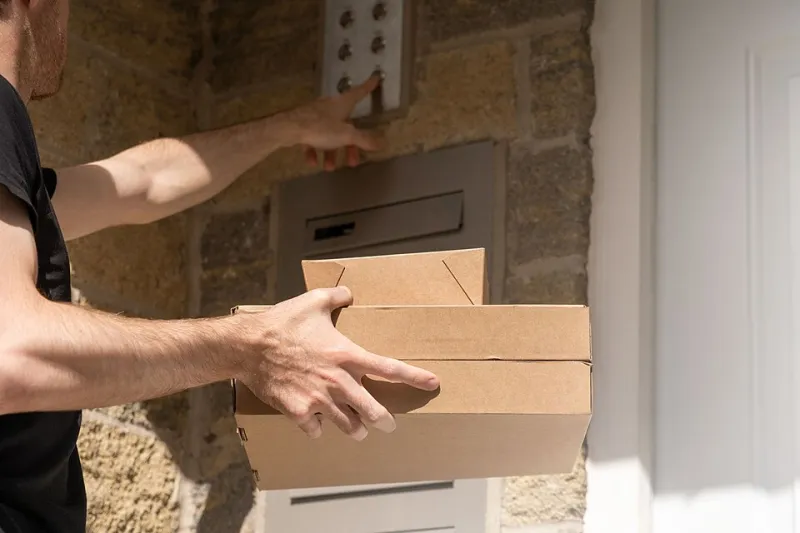
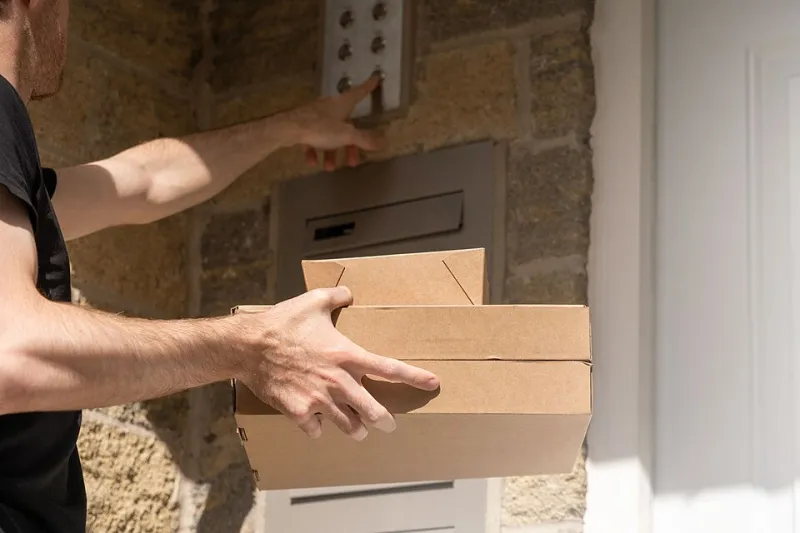
Photo: Francisclarke, CC BY-SA 4.0, via Wikimedia Commons
Delivery exceptions are not rare events in UK parcel operations. A courier misses a cut-off, a label is unscannable, a customer refuses a box because the outer packaging is torn, or a parcel simply stops moving. What separates a manageable incident from a costly one is not luck. It is whether the business has a repeatable way to respond.
An exception desk is that repeatable way. It does not need a dedicated department or expensive software. It needs one owner, a shared inbox, a short set of decision rules and an evidence folder for every case. The aim is operational calm: the same problem receives the same response whether it arrives on a busy Monday or a quiet Friday.
Why ad hoc handling drains margin
When exceptions are handled by whoever is free, three costs appear. Staff time is spent reconstructing what happened. Customers receive inconsistent messages. And carrier claims are weakened because photos, labels and timelines are missing. For a resource-light SME, these small leaks compound. A £40 replacement is annoying. Ten hours of senior time spent chasing it is worse.
A desk process also protects cash. Refunds issued before evidence is gathered are difficult to recover. Replacements sent without checking stock can turn a delivery problem into an inventory problem. Clear rules stop both.
Four exception types, four scripts
Most cases fall into four groups: delay, damage, loss and refusal. The script does not need to be long. It needs to acknowledge, explain the next step and give a time for the next update.
For a delay, the message should be factual and specific:
Thank you for contacting us about order [number]. I can see that the parcel is currently delayed in the carrier network. We have raised a trace and expect an update by [date and time]. If the parcel has not moved by then, we will contact you with a replacement or refund option. You do not need to do anything in the meantime.
For damage, ask for the evidence that the carrier will need later:
I am sorry that the item arrived damaged. Please send photographs of the outer packaging, the shipping label and the item itself, along with a short note of what you found. Once we have these, we will confirm whether we can replace the item immediately or whether a collection and inspection is needed. We will reply within one working day.
For loss, set a review point:
We have opened a missing parcel investigation with the carrier. Please confirm the delivery address and any safe-place instructions you gave at checkout. We will update you by [date and time]. If the parcel is not located by then, we will move to a resolution without waiting for the carrier's final outcome.
For refusal, establish the reason before choosing the route:
The parcel was refused at delivery. So that we can put this right, please confirm whether it was refused because of visible damage, because the address was incorrect, or because you changed your mind. We can then arrange redelivery, return or refund under the relevant policy.
A refund-versus-replace decision tree
The decision should be made before the customer asks. Start with value and evidence. For low-value items, speed usually beats investigation. If a £15 item is damaged and the customer has provided photos, replace or refund quickly and absorb the cost. Chasing a carrier claim for less than the admin cost is not commercial.
For higher-value items, gather evidence first. Confirm whether the item can be repaired, replaced from stock or must be refunded. If stock is unavailable, offer a refund or an agreed substitute. Do not promise a replacement date that depends on an inbound supplier unless that date is confirmed.
For lost parcels, set a review point based on the carrier's own trace timeline. If the parcel has not moved by that point, resolve with the customer and pursue the claim in parallel. Waiting for a carrier's final outcome before helping the customer is a false economy. For refusals, the reason determines the route. Damage refusal is treated as damage. Address refusal may attract a redelivery charge if the terms allow it. Change-of-mind refusal becomes a return.
Evidence that makes a claim stick
Carrier escalation is won or lost on records. For every exception, keep the order reference, tracking number, label image, customer statement, photographs, packaging notes and a timeline of contacts. Record the date and time of each scan. If a collection was made, keep the manifest. If a safe place was used, keep the instruction.
Use one folder per case, named by order number. A shared spreadsheet can log status, owner, next action and deadline. The point is not bureaucracy. It is speed when the carrier asks a question or the customer escalates.
The daily rhythm
A workable desk runs on three short checks. In the morning, triage new exceptions and send first responses. Around midday, chase carriers and update customers whose deadlines have passed. Before close, clear the evidence folder and set tomorrow's follow-ups. One person can own the desk with a named backup. The backup matters for holidays and sick leave.
Track five measures: time to first response, time to resolution, replacement or refund cost, carrier claim recovery rate and repeat contacts. Review them monthly. If repeat contacts rise, the scripts are unclear. If recovery falls, evidence is missing. If resolution time grows, decision rights are too centralised.
At ACI Express, the operational view is simple. Exceptions will happen. A desk does not prevent every failure, but it stops each failure from becoming a different crisis. The result is calmer customers, cleaner claims and staff time returned to the work that grows the business.