The Van Is the Shopfront: A Daily Handover Routine for Local Delivery Teams
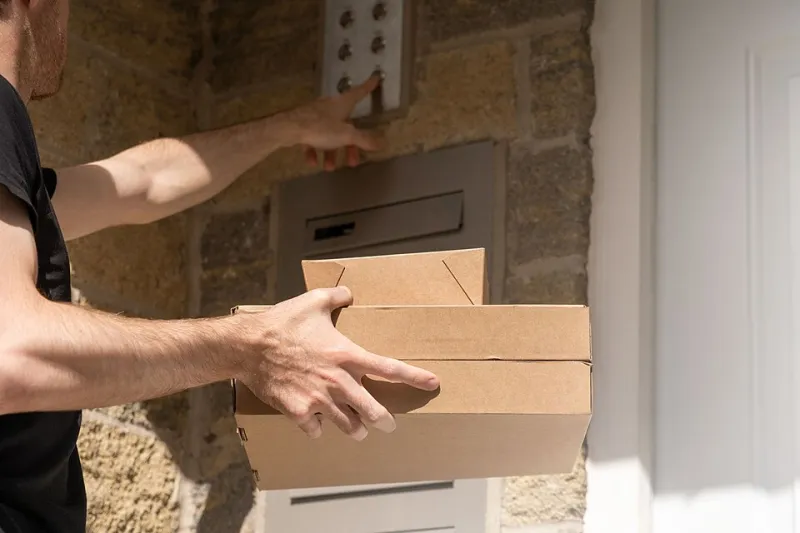
Photo: Meanwell Packaging, CC BY 2.0, via Wikimedia Commons
The handover is the brand moment
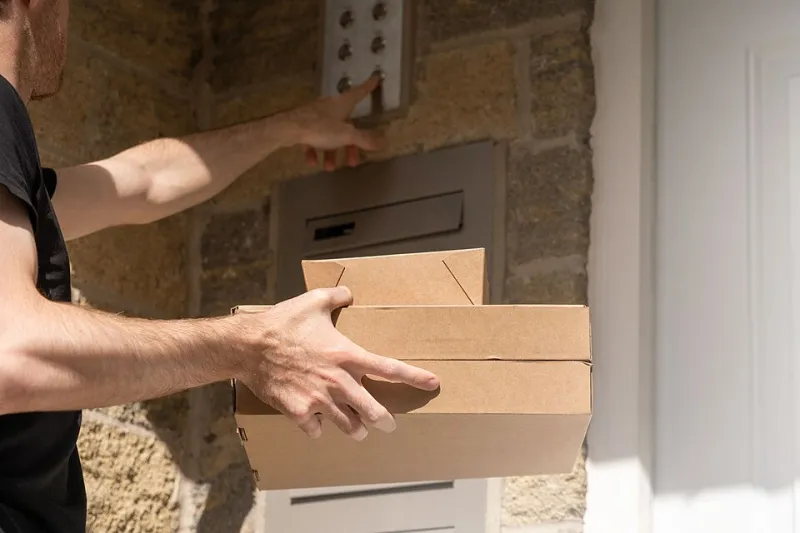
For a small UK business delivering in its own vans, the driver is not simply moving parcels. The driver is the most visible representative of the brand at the customer’s door. A rushed handover can produce late arrivals, failed attempts, disputed deliveries and returns that were avoidable. A calm, repeatable routine does the opposite: it turns individual goodwill into consistent service and gives the business something it can audit and improve.
Assemble a route pack
Every driver should begin with a route pack, whether printed or digital. It should contain the ordered stop list with time windows, customer name, address and contact number, access notes and door codes, safe-place instructions, order contents, fragile or age-restricted items, returns to collect and any payment-on-delivery requirement. Include a depot contact for escalation.
The route pack must be the single source of truth. If a customer changes an instruction after dispatch, the change should be recorded and passed to the driver, not left in a separate message thread. A five-minute dispatch briefing is enough to flag priority stops, road closures, bulky items and customers who have asked for particular care.
Check the vehicle and load
A daily walkaround before the first stop is basic operational discipline. Check tyres, lights, mirrors, windscreen, fluids and fuel or charge. Confirm the load is secure and that fragile items are separated. If the business delivers food or temperature-sensitive goods, check cold-chain equipment. Ensure the phone is charged, the scanner works and any personal protective equipment is present.
Record the check on a simple signed sheet or app. In the UK, the vehicle must be roadworthy and the driver should follow DVSA guidance on daily checks. Ten minutes at the depot is cheaper than a breakdown on a busy route or a damaged order at the customer’s door.
Use consistent customer contact scripts
A pre-delivery text with an estimated window reduces failed attempts. If access is unclear, the driver should call before arriving. A short script helps: “Hello, this is [driver] from [business]. I am due to deliver your order between [time] and [time]. Please confirm the best access point or safe place.” The driver should avoid debating delivery policy at the door and should refer disputes to the depot.
Scripts should be natural, not robotic. Their purpose is to set expectations, confirm access and reduce uncertainty. For regular customers, the same routine builds recognition and trust.
Define failed-delivery rules
Failed deliveries are expensive, so the rules should be written down. Set a standard waiting time, for example five minutes, and define how many attempts will be made. Do not leave an order unattended unless the customer has given a safe-place instruction. Do not leave with a neighbour unless that has been authorised. Record a reason code for every failed attempt: no answer, access problem, refused delivery, wrong address, payment issue or unsafe location.
Where a safe place is used, take a photograph and record the location. Return undelivered parcels to the depot securely and notify the customer the same day with the next step. The customer should not have to guess what happens next.
Keep proof of delivery disciplined
Proof of delivery must be linked to the order and completed before the driver leaves the stop. A photograph of the parcel at the door, a signature where required and a GPS timestamp are useful evidence. Under UK GDPR, capture only what is necessary. Avoid photographing people or the inside of a home, and explain the process in the privacy notice.
Check that the image is legible before moving on. If a signature is required, confirm that the recipient is the right person. Update the delivery status in the system before the end of the shift so customer service teams are not working from incomplete records.
Debrief at the end of the day
A short end-of-day debrief closes the loop. Return undelivered parcels and collected returns, flag damaged items and record any customer comments that affect future deliveries. Review first-time delivery rate, failed-delivery reasons, proof-of-delivery compliance and complaints on a weekly basis. Driver feedback is valuable here: route packs and scripts should improve because of what the van team learns on the road.
For SMEs running local deliveries, the van is the shopfront. A disciplined handover routine protects the customer experience, reduces avoidable cost and gives the business a dependable platform for growth.