When “Free” Costs More: Rethinking Delivery Pricing for UK Small Retailers
Photo: Jeremy Bolwell , CC BY-SA 2.0, via Wikimedia Commons
The quiet cost of a popular promise
Free delivery has become a default expectation in UK retail. Large operators have trained shoppers to treat it as part of the price, and smaller retailers often feel obliged to follow. For an SME, however, blanket free delivery is rarely a marketing decision with a fixed budget. It is an open-ended subsidy. Every order that qualifies reduces the contribution left to cover rent, wages, marketing and profit.
The argument here is not that free delivery is always wrong. Used selectively, it can raise average basket values and improve conversion. The problem is offering it without knowing what it costs, which zone or order type is subsidising which, and how much margin is being exchanged for volume. A delivery promise should be a deliberate commercial lever, not an inherited habit.
Start with a true cost per parcel
Many SMEs calculate delivery cost from the headline carrier rate. That is rarely the full picture. Build a sample of eight to twelve weeks of orders and calculate a fully loaded cost per delivered order. Include the carrier charge and fuel surcharge, packaging and labels, pick-and-pack labour attributable to delivery preparation, failed delivery and reattempt costs, return legs and returns processing, customer service time and any address validation or label software fees. If the business is VAT-registered, recoverable VAT should not be treated as a cost.
A useful formula is total delivery-related cost divided by delivered orders, segmented by zone, weight band, service level and basket size. The average may look manageable at £5.50 per parcel, but the detail often shows a different story: remote postcodes at £9 or more, oversized items needing manual handling, and failed deliveries adding £1 or more across the whole order base. Once those differences are visible, pricing can reflect them.
Set thresholds that protect contribution
A free-delivery threshold should be based on gross margin and target contribution, not on a competitor’s website. A simple guardrail is to divide the fully loaded delivery cost by the gross margin percentage. If delivery costs £6.50 and gross margin is 45%, the floor is roughly £14.44. That is a minimum, not a strategy. In practice, the threshold should preserve the contribution the business needs after delivery has been paid for.
Consider two orders. A £40 basket at 45% gross margin produces £18 of gross profit; free delivery at £6.50 leaves £11.50. A £35 basket with a £4.95 delivery charge may leave a similar or better contribution while asking less of the customer. The right threshold sits where the additional basket spend covers delivery and protects target margin. Round it to a customer-friendly point, such as £45 or £50, and consider a small-order fee below that level rather than absorbing the full cost.
Use zones and service tiers honestly
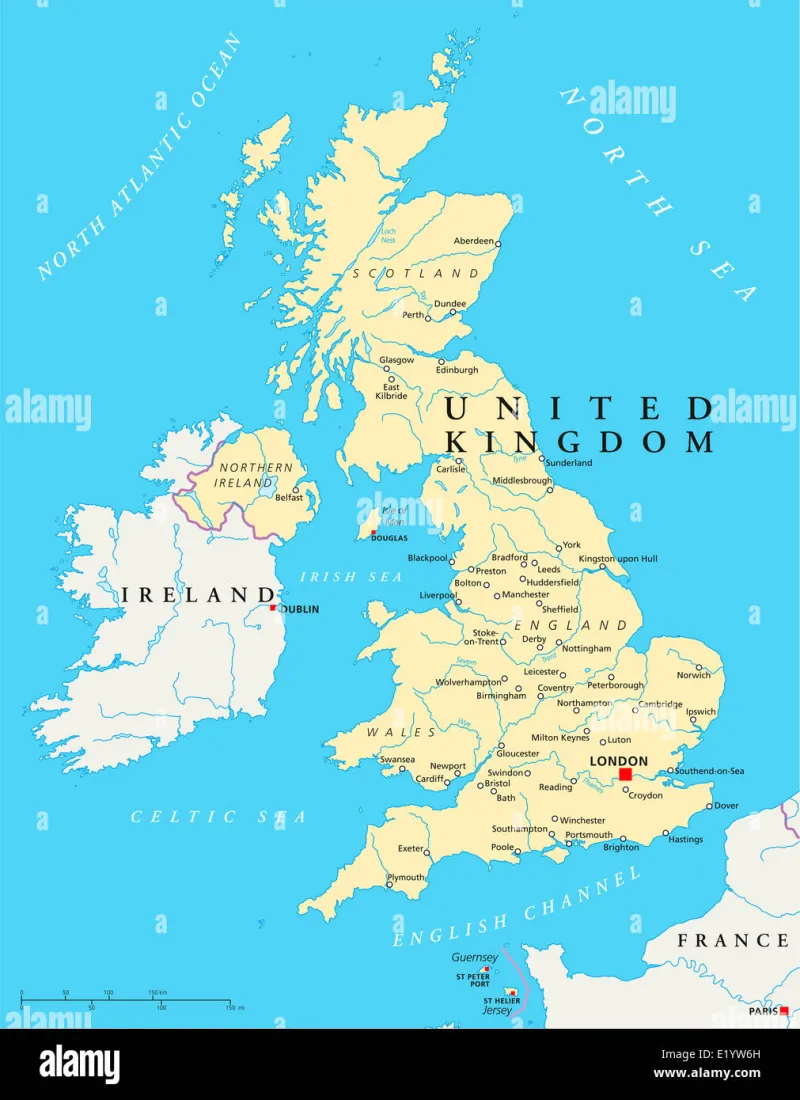
Delivery cost in the UK is not uniform. Zone-based charges can reflect local, standard mainland, Highlands and Islands, Northern Ireland and offshore postcodes. Weight and size bands should also be applied where they materially change cost. Free delivery can be reserved for standard service to mainland addresses, with next-day, nominated-day and remote-area deliveries priced separately. Click-and-collect should be promoted as a genuine alternative, not a last-minute apology at checkout.
Communicate change without damaging conversion
Pricing changes are easier to accept when they are not a surprise. Announce changes in advance on the delivery page, in basket messaging, in checkout copy and in FAQs. Explain the reason briefly: carrier costs, packaging and reliable service. Use progress messaging such as “£8 away from free standard delivery” to preserve conversion. Train customer service staff with clear scripts and give them authority to resolve genuine delivery issues.
Monitor conversion rate, checkout abandonment, average order value, delivery-charge take-up and contribution per order before and after the change. Test one variable at a time. A transparent delivery policy may reduce a small number of marginal orders, but it can improve the quality of the orders that remain.
Review before the next peak
Carrier fuel surcharges, packaging costs and wage rates move. A delivery pricing model should be reviewed quarterly and again before the 2026 peak season. Free delivery is not a moral position; it is a commercial choice. UK SMEs that understand the true cost of each parcel are better placed to use it where it works and charge for it where it does not.